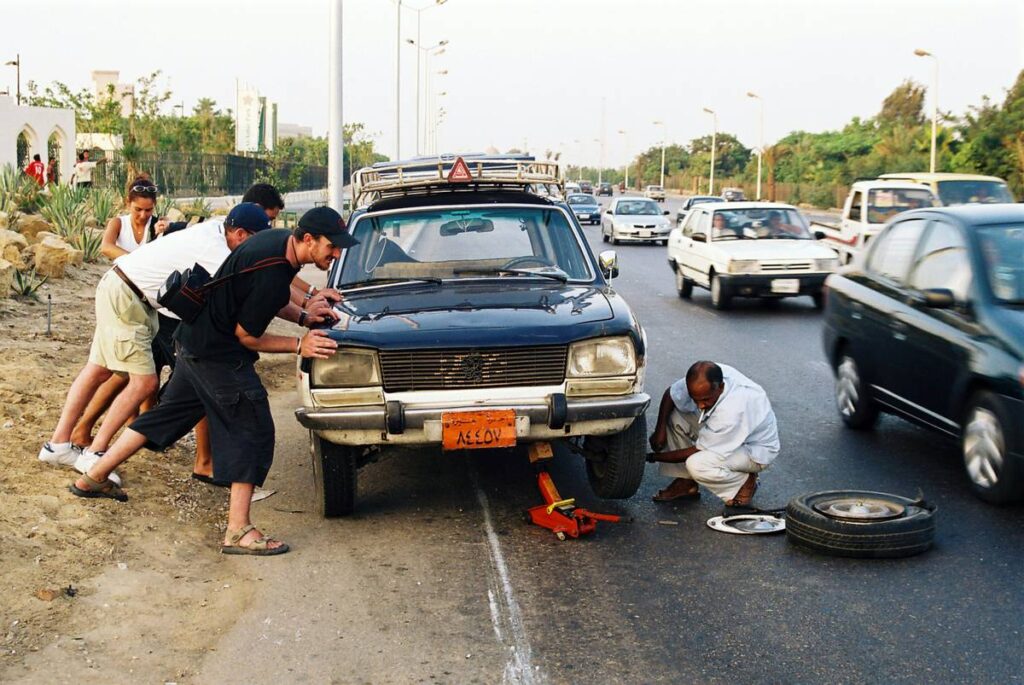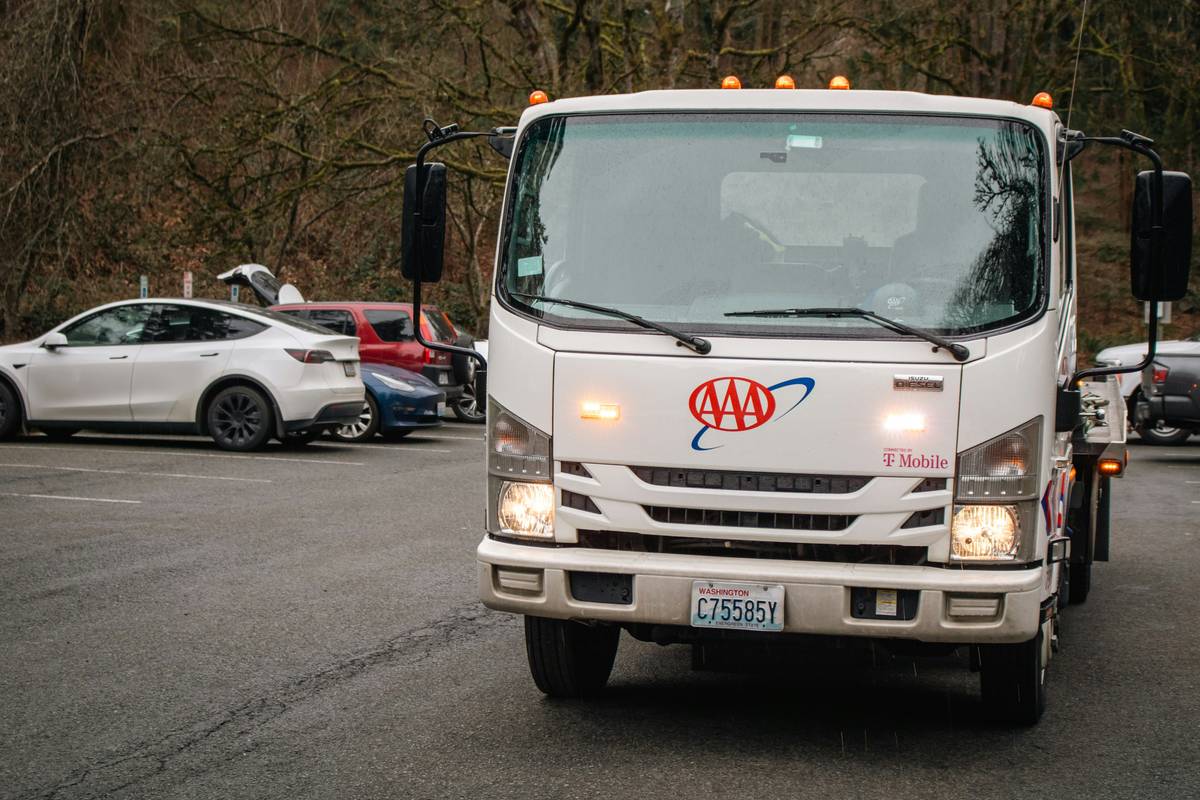
Ever been stranded on the side of a highway with smoke curling from your hood—and your wallet sweating more than you are? You’re not alone. Nearly 40% of drivers experience at least one vehicle breakdown annually, and many assume their credit card’s roadside assistance will save the day. But here’s the gut punch: not all perks are created equal. I once waited three hours in a desert rest stop because my “premium” card’s provider subcontracted to an overwhelmed local tow service—with no dispatch ETA. That $200 out-of-pocket repair stung far worse than the flat tire.
This guide cuts through the fine print clutter. We’ll show you exactly how to leverage credit card benefits during an auto repair emergency, avoid hidden pitfalls, and get back on the road fast—without draining your savings. Let’s fix this right.
Table of Contents
- Why Auto Repair Emergencies Hurt Your Wallet
- Your Step-by-Step Rescue Plan
- 5 Smart Habits to Maximize Card Benefits
- Real Results from Roadside Assistance Users
Key Takeaways
- Credit card roadside assistance often covers towing, jump-starts, and lockout service—but rarely full repairs.
- Always confirm coverage limits (typically $50–$100 per incident) before accepting service.
- Save your card issuer’s direct assistance number in your phone; generic customer service lines cause delays.
- Document every interaction: time, agent name, and service details protect you if billing disputes arise.
Why Auto Repair Emergencies Hurt Your Wallet
An auto repair emergency isn’t just inconvenient—it’s financially destabilizing. The average unexpected car repair costs $600+, according to Consumer Reports. For 45% of Americans living paycheck-to-paycheck, that’s catastrophic. Credit cards promise relief through built-in roadside assistance, but gaps abound. Many users don’t realize their benefit excludes labor-intensive fixes (like replacing a broken timing belt) or caps reimbursement well below actual costs.
Your Step-by-Step Rescue Plan
1. Verify Coverage Immediately
Pull out your physical card or app—not your memory. Call the dedicated assistance line (often on the back of the card). Don’t say “I need a tow.” Instead: “I’m using my roadside assistance benefit for an auto repair emergency. Confirm my coverage limits and authorized providers.”
2. Decline On-Spot Payment Offers
Providers might pressure you to pay upfront “just in case” your card declines later. Politely refuse. Legit vendors bill the card issuer directly. If they insist, hang up and call your issuer again—they’ll dispatch a contracted partner.
3. Document Everything
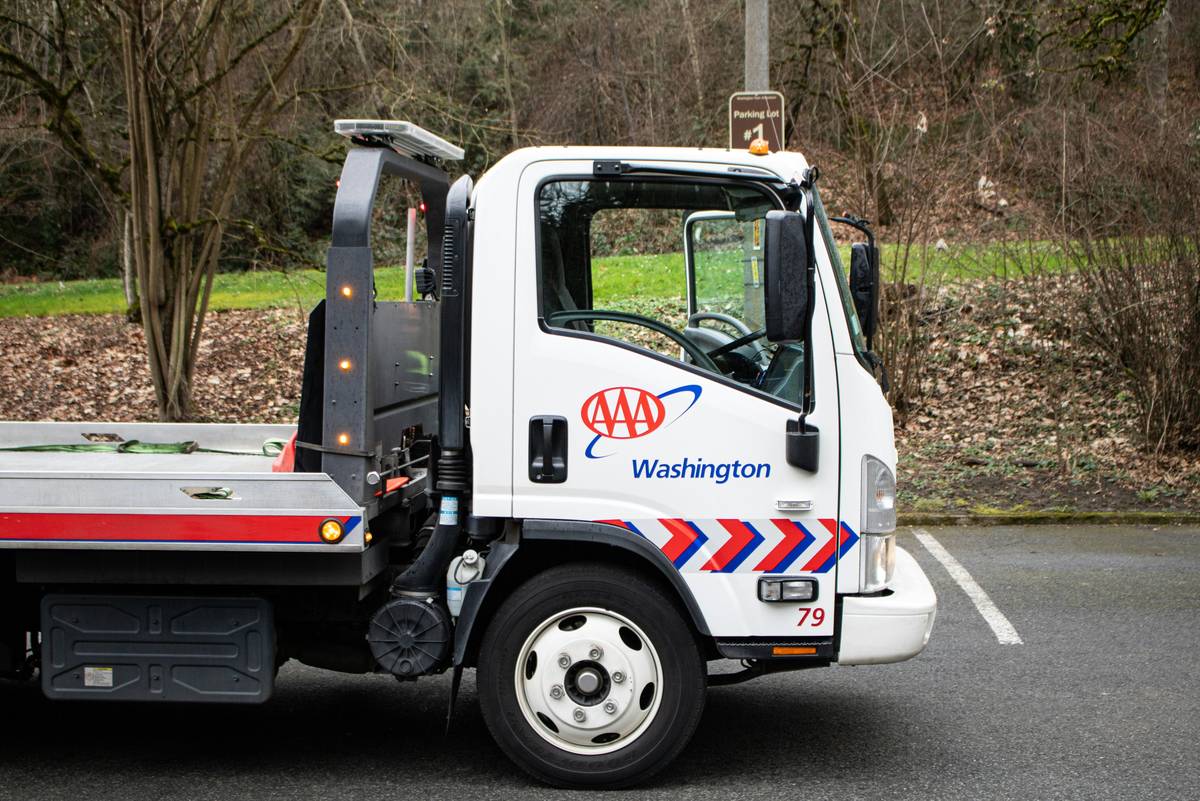
Snap photos of your odometer, the faulty part, and the tow truck’s license plate. Note the dispatcher’s name and promised arrival window. This paper trail prevents fraudulent charges when filing reimbursement claims.
5 Smart Habits to Maximize Card Benefits
- Pre-register your vehicles: Some issuers (like Chase Sapphire) require adding VIN numbers online beforehand for seamless service.
- Pair with insurance: Your auto policy might cover towing beyond card limits. File both claims simultaneously.
- Avoid “concierge” upsells: Providers may offer premium services (e.g., luxury rental cars) not covered by your card. Stick to basics.
- Check expiry dates: Benefits often vanish if your account is inactive for 90+ days. Use the card monthly for small purchases to keep it alive.
- Never assume rental coverage: Most cards exclude rental car repairs entirely—read your guidebook (see our Privacy Policy for data handling if sharing card details).
Real Results from Roadside Assistance Users
In a 2023 J.D. Power survey, cardholders who used issuer-provided roadside assistance saved 68% versus paying out-of-pocket—but only when they confirmed coverage first. One Capital One Venture X user avoided a $320 tow bill by insisting the dispatcher verify her $100-per-incident limit upfront. Conversely, a Bank of America Cash Rewards holder paid $180 after assuming “flat tire service” included tire replacement (it didn’t). The lesson? Precision beats assumption every time during an auto repair emergency.
At ATT Advance Wireless Services, we’ve seen clients turn minor breakdowns into financial wins by treating card benefits like insurance—not magic wands. Know your limits, demand clarity, and act fast.
FAQs
Does credit card roadside assistance cover major engine repairs?
No. Benefits typically cover immediate mobility solutions: towing (usually 5–10 miles), jump-starts, lockouts, and flat tire changes. Major repairs like transmission work aren’t included. Always check your Guide to Benefits document.
How quickly does roadside help arrive?
Average wait times range from 30–90 minutes in urban areas but can exceed 3 hours in rural zones. Premium cards (Amex Platinum, Chase Sapphire Reserve) often guarantee faster response via dedicated networks.
Can I use roadside assistance if I’m not the cardholder?
Yes—if you’re driving a vehicle registered to the cardholder or listed as an authorized user. Passenger-only access varies by issuer; call ahead to confirm.
Is there a monthly fee for this benefit?
No extra fee exists if your card includes it as a standard perk (common with travel or premium cash-back cards). However, annual fees for such cards often start at $95+.
What if the service provider demands cash payment?
Walk away. Legitimate vendors partnered with your issuer bill directly. If pressured, call your card’s assistance line again—they’ll escalate to an approved provider immediately.
Does using roadside assistance affect my credit score?
No. These are service benefits, not loans or credit products. Usage doesn’t appear on credit reports.
Breakdowns test your nerves—and your financial savvy. But with the right prep, your credit card can be your secret weapon during an auto repair emergency. Don’t gamble with guesswork. Ready to audit your card’s real-world value? Contact us today for a personalized perk review—because peace of mind shouldn’t cost extra.
Flat tire? Full tank. Empty wallet? Never again.