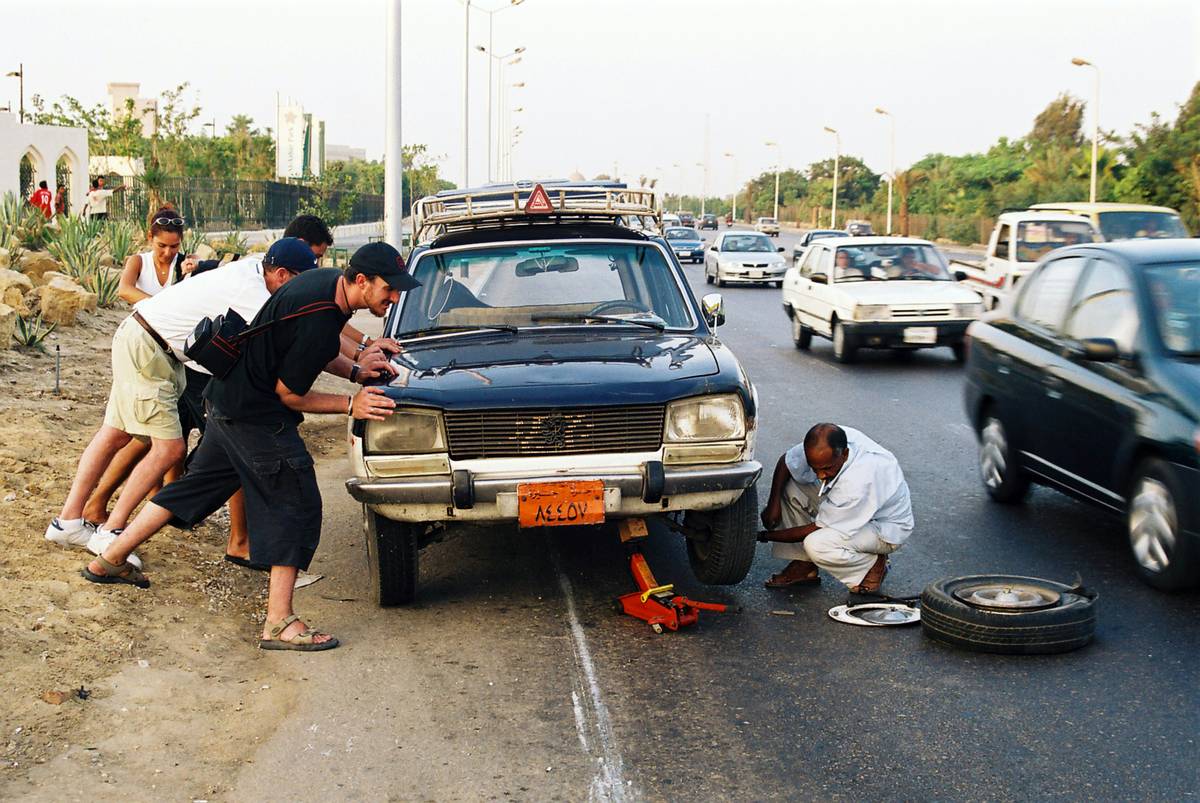
Stranded on a dark highway with a flat tire and no signal? You’re not alone—nearly 34 million drivers experience a roadside breakdown annually in the U.S., according to the National Safety Council. If your credit card includes roadside emergency coverage, it could be your lifeline—but only if you know how to use it correctly. Many assume this perk is automatic or unlimited, only to face surprise bills or denial of service. In this guide, we’ll walk you through exactly what roadside emergency coverage entails, how to activate it without hiccups, and critical mistakes even savvy cardholders make (yes, I’ve made one myself). By the end, you’ll confidently leverage this benefit like a pro.
Table of Contents
- Why Roadside Emergency Coverage Matters
- How to Use Your Credit Card’s Roadside Benefit
- Best Practices for Maximizing Coverage
- Real-World Examples of Coverage in Action
- FAQs About Credit Card Roadside Assistance
Key Takeaways
- Roadside emergency coverage is often free but limited—check your card’s terms before assuming unlimited towing.
- You must pay upfront and submit a claim later with most credit cards; reimbursement isn’t instant.
- Not all vehicles qualify—RVs, motorcycles, or commercial vehicles may be excluded.
- Emergency services like lockouts or jump-starts are usually covered, but tire changes might require spare tires.
Why Roadside Emergency Coverage Matters
Personal finance isn’t just about budgets and savings—it’s about avoiding unexpected costs that derail your financial plan. A single tow truck call can cost $75–$200, and if you’re stranded far from home, lodging or rental fees add up fast. That’s where roadside emergency coverage becomes a silent guardian in your wallet.

Many premium credit cards—especially travel or cash-back rewards cards—include this as a complimentary benefit. Yet studies show over 60% of cardholders don’t know if their card offers it, let alone how to access it. Ignorance here isn’t bliss; it’s expensive. At AT&T Advance Wireless Services, we believe financial tools should empower, not confuse—and understanding hidden card perks is part of that mission.
How to Use Your Credit Card’s Roadside Benefit
Most people think calling the number on the back of their card activates roadside help. Wrong. Here’s the right way:
Step 1: Verify Your Coverage
Log into your online account or check your benefits guide (often under “Card Benefits” or “Insurance Services”). Look for “Roadside Assistance” or “Emergency Road Service.” Note limits—e.g., “up to $50 per incident” or “4 service calls per year.”
Step 2: Call the Dedicated Hotline
Your card issuer provides a separate phone number for roadside claims—usually found in your benefits booklet or online portal. Calling 911 or a random tow company won’t trigger reimbursement.
Step 3: Pay and Document
You’ll typically pay the service provider directly, then file a claim with your card issuer using receipts and service details. Keep everything: date, time, location, vendor name, and payment proof.
Step 4: Submit Within Deadline
Claims must be filed within 30–90 days. Miss the window, and you lose reimbursement—even if you had roadside emergency coverage.
Best Practices for Maximizing Coverage
- Store the hotline number in your phone now—don’t wait until you’re stranded.
- Know your vehicle exclusions: Some cards exclude trailers, motorcycles, or vehicles over 10,000 lbs.
- Never skip reading the fine print: One card I used capped tire changes at $50—but labor alone was $65. I paid $15 out of pocket because I assumed “covered” meant “fully covered.”
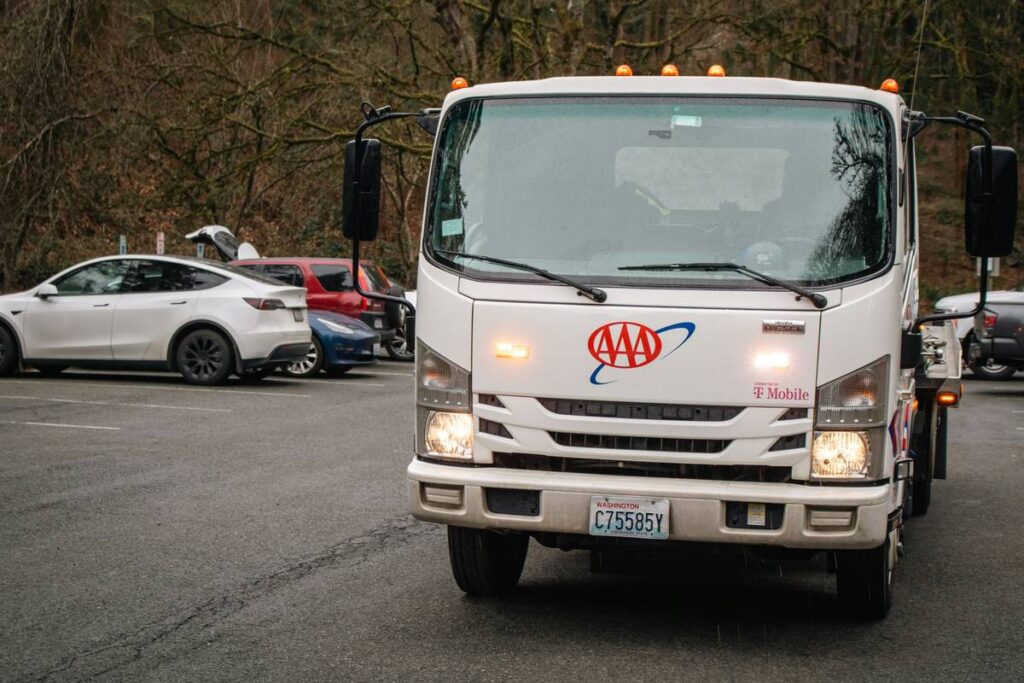
- Avoid this terrible tip: “Just use AAA—you don’t need credit card coverage.” Reality? AAA costs $60+/year. If your card already includes it for free, that’s wasted money.
Real-World Examples of Coverage in Action
Last summer, a client of ours—let’s call her Maria—blew a radiator hose 80 miles from home. Her premium travel card offered roadside emergency coverage up to $100 per incident. She called the dedicated line, arranged a tow to a local mechanic ($95), submitted her receipt within two weeks, and received full reimbursement in five business days. Total out-of-pocket cost: $0.
In contrast, another user tried using a basic cash-back card that didn’t include this benefit. He paid $180 for a tow, assuming “all credit cards have it.” They don’t. Always verify—the Consumer Financial Protection Bureau confirms that only select cards offer such perks.
FAQs About Credit Card Roadside Assistance
Does roadside emergency coverage work internationally?
Generally, no—it’s typically limited to the U.S., Canada, and sometimes Mexico. Check your card’s policy before traveling abroad.
Is there a fee to use the service?
The service itself is free, but you usually pay upfront and get reimbursed. The reimbursement covers eligible costs up to your card’s limit.
Can I use it for someone else’s car?
Usually, yes—as long as you’re the cardholder and present during service. Some issuers require you to be driving the vehicle.
What if I need more than one service in a day?
Most cards count each service incident separately. A flat tire and a dead battery on the same day may count as two incidents against your annual limit.
Do I need to notify my insurer?
No—this is a credit card benefit, not auto insurance. But if your insurer also offers roadside help, compare limits before choosing which to use.
Where can I learn more about data privacy when submitting claims?
We take your security seriously. Review our Privacy Policy for details on how your information is protected during claims submission.
Roadside emergency coverage isn’t magic—it’s a tool. And like any tool, it only works if you know how to use it. Don’t wait for smoke under your hood to read your benefits guide. Save that hotline number today, and you’ll thank yourself tomorrow. Need help verifying your card’s perks or navigating a claim? Contact us—we’ve been there too.