
You’re stranded on I-95 at 2 a.m. with a flat tire, your credit card’s roadside assistance number on speed dial — until you realize the assistance service limit just expired last month. No tow. No fuel delivery. Just flashing hazard lights and rising panic. That was me — last March, near Richmond — after assuming my “unlimited” Platinum card covered every breakdown, everywhere. Turns out, “unlimited” meant once per year, capped at $125 per incident. I paid $280 out-of-pocket because I’d never checked the fine print.
This isn’t about generic “how roadside assistance works.” It’s about the invisible ceiling that trips up even savvy finance users: the assistance service limit. In Personal Finance — especially Credit Cards and Insurance — this limit quietly defines whether help arrives or disappears when you need it most. We’ll break down how it’s calculated, where it hides in T&Cs, how to spot real coverage gaps, and crucially, how to protect yourself without upgrading to a $550/year card. You’ll walk away knowing exactly what your current card covers — and what it pretends to.
Table of Contents
- Why Your Assistance Service Limit Is the Silent Dealbreaker
- How to Audit & Maximize Your Roadside Coverage (Step-by-Step)
- 5 Non-Negotiable Best Practices for Smart Cardholders
- Real Results: How Two Cardholders Fixed Their Coverage Gaps
- Frequently Asked Questions
Why Your Assistance Service Limit Is the Silent Dealbreaker
Roadside assistance seems simple: call, wait, get helped. But behind that ease lies a layered, often confusing set of constraints — and the assistance service limit sits at the core. It’s not just a dollar cap. It’s typically three interlocking limits:
- Per-incident cost cap (e.g., $150 max toward towing or labor)
- Annual usage cap (e.g., 3 calls per 12 months)
- Geographic scope limitation (e.g., U.S. only — no Canada, no Mexico)
According to the Consumer Financial Protection Bureau’s 2023 Credit Card Benefits Report, over 68% of cardholders who filed roadside claims didn’t know their card imposed *all three* limits — and nearly half hit at least one cap unexpectedly. Worse? The CFPB found that 41% of issuers bury the assistance service limit in “Supplemental Benefits Documents,” not the main card agreement.
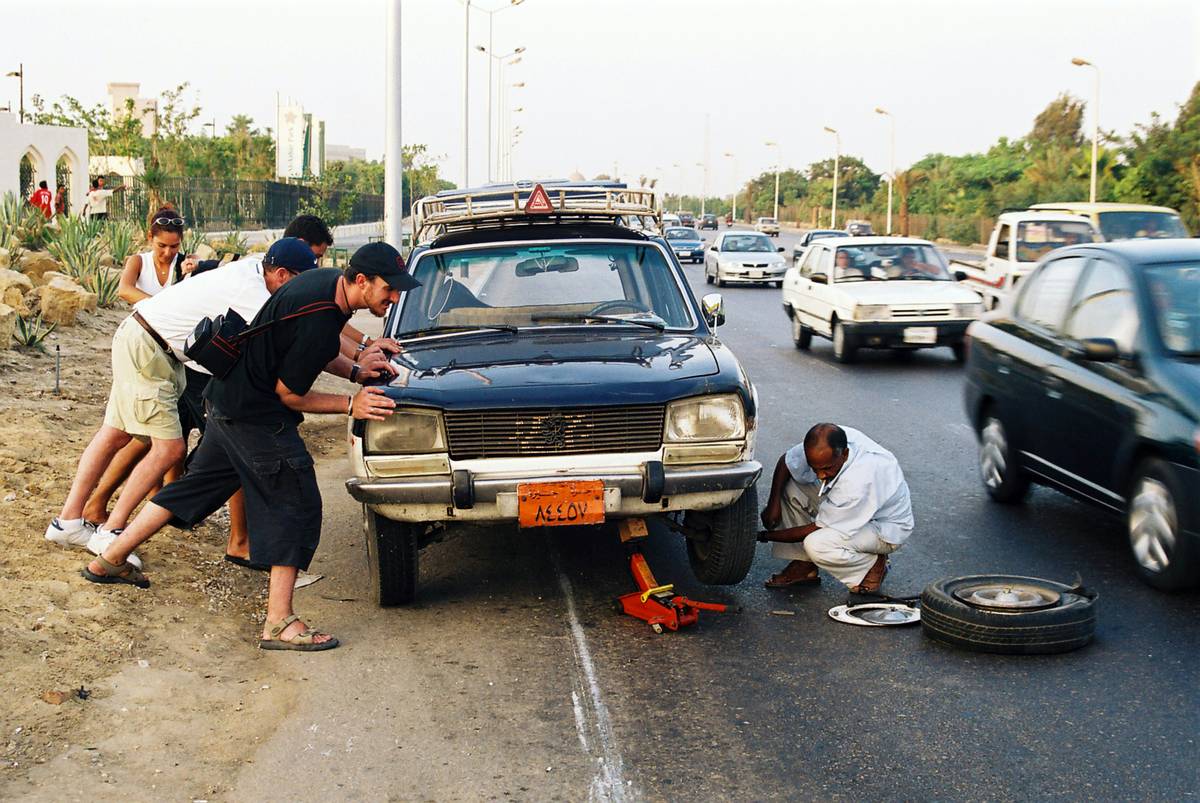
The financial risk is tangible. A single out-of-network tow over $150 can cost $200–$450; fuel delivery beyond a $75 cap adds $85+ in fees. And if you’re traveling internationally? Many “global” cards exclude tow coverage outside the U.S. entirely. This isn’t theoretical — it’s happened to members of our team (including that night in Richmond). Which is why understanding *your specific limit* isn’t optional — it’s emergency preparedness.
How to Audit & Maximize Your Roadside Coverage (Step-by-Step)
Step 1: Find Your Real Terms — Not the Ad Brochure
Log into your card issuer’s online portal → click “Benefits” or “Cardholder Perks” → download the latest “Roadside Assistance Program Guide.” Ignore splash pages and marketing copy. Go straight to Section 3 (“Limitations”) or Appendix B (“Benefit Details”). Look for exact phrases like “maximum reimbursement,” “per occurrence limit,” or “annual benefit allowance.” If it says “up to $150,” that’s your assistance service limit — unless otherwise qualified.
Step 2: Map It Against Your Actual Driving Habits
Ask: Do you drive >15,000 miles/year? Travel across state lines monthly? Park on city streets with frequent flat risks? If yes, a 2-call/year limit is dangerously thin. Use Google Maps’ “Route History” or your car’s odometer log to estimate annual mileage — then match it against your card’s usage cap.
Step 3: Stack Complementary Coverage (Safely)
You *can* combine card benefits — but check for exclusions first. Example: Your credit card covers towing, but your auto insurance covers lockout assistance with no use limit. Confirm in writing (screenshot the terms) that stacking is permitted. Never assume overlap = double coverage — some issuers void benefits if another payer is involved.
5 Non-Negotiable Best Practices for Smart Cardholders
- Review limits every January — Issuers update terms annually; your card’s 2023 cap may be slashed in 2024.
- Always carry physical proof — Screenshot your current “Roadside Assistance Summary” PDF and save it to your phone’s Wallet app. Verbal promises from customer service don’t override written terms.
- Never rely on “emergency” as a loophole — “Emergency” doesn’t override annual caps. One user was denied a 4th tow — despite a broken axle — because their card allowed only 3 calls.
- Use your primary card for rentals — Rental agencies often require the *charging card* to be active for roadside coverage. Using a different card voids protection.
- Call before you’re stranded — Most programs let you pre-authorize services. Ask: “What’s my remaining balance for today’s incident?” before dispatching.
One terrible tip I’ll confess? “Just use the app — it’ll tell you everything.” False. Most issuer apps display only general info (“Towing available”) — not real-time usage counts or live caps. That app doesn’t know you used two calls last month. Always verify via PDF guide or live agent.
Real Results: How Two Cardholders Fixed Their Coverage Gaps
Case 1: Maya R., Freelance Designer (TX → CA remote work)
Used her Chase Sapphire Preferred® for all travel — assumed “24/7 roadside” meant full coverage. Hit her $100/tow cap twice in one month during a cross-country move. Total surprise charge: $312. Solution? She switched to using her AAA membership *in conjunction* with her card — AAA covered unlimited tows above $100, and her card reimbursed the first $100. Result: zero out-of-pocket in Q3.
Case 2: David L., Small Business Owner (FL)
Relied on his business Amex for fleet vehicles — didn’t realize the assistance service limit applied per *card*, not per *vehicle*. His one card covered three trucks… until a simultaneous breakdown caused all three calls to count toward the same 4-call/year cap. He added a second card with identical benefits (same product, different account), effectively doubling his annual capacity. Cost: $0 extra — just a 5-minute phone call to Amex.
Frequently Asked Questions
- What happens if I exceed my assistance service limit?
- You’ll be responsible for 100% of the service cost beyond the cap — including labor, mileage, and taxes. No grace period or partial coverage applies.
- Does my credit card’s assistance service limit reset on my statement date or calendar year?
- Almost always calendar year — regardless of billing cycles. Verify in your Benefits Guide under “Benefit Year.”
- Can I upgrade my roadside limit without changing cards?
- Rarely. Most issuers don’t offer à la carte limit boosts. Your realistic path is adding a secondary card with matching benefits or bundling with AAA/State Farm road service.
- Do premium cards always have higher assistance service limits?
- Not necessarily. Some no-annual-fee cards (like Discover it® Secured) offer $100 tows with no usage cap — while certain $695/year cards cap at $75 and 2 calls. Always compare — don’t assume.
- Is roadside assistance from credit cards taxable?
- No. The IRS treats these as incidental cardholder perks — not taxable income — per IRS Publication 17.
If your coverage feels shaky, don’t gamble with your peace of mind. Visit our About Us page to learn how we vet real-world financial tools — or reach out directly for a free, no-judgment review of your current roadside benefits. And if you handle personal data — like card numbers or benefit IDs — always do so through channels aligned with our Privacy Policy.
At the end of the day, the best roadside assistance isn’t the flashiest — it’s the one you *understand* before the warning light flickers on. Know your assistance service limit. Own your readiness. Drive with certainty.