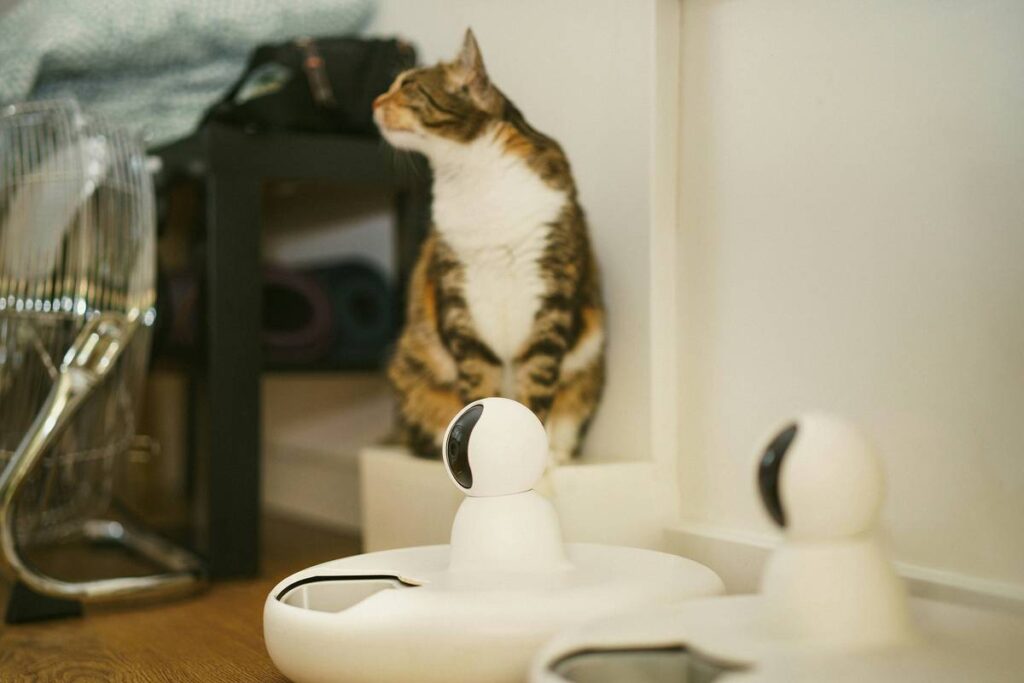
Ever bought a “smart” pet toy only to discover it refuses to sync with your existing setup? You’re not alone. In today’s world of app-controlled feeders, GPS collars, and treat-dispensing robots, pet toy alignment isn’t just a buzzword—it’s the difference between seamless interaction and a frustrated pup staring at a blinking gadget. Poor compatibility can waste money, confuse pets, and even compromise safety. This guide cuts through the noise with practical steps to ensure every new toy or accessory plays nicely with your current ecosystem—especially when manual override is involved.
Table of Contents
- Why Pet Toy Alignment Matters in Modern Pet Care
- Step-by-Step Guide to Ensuring Perfect Compatibility
- 5 Best Practices for Long-Term Toy Harmony
- Real-World Examples Where Alignment Made All the Difference
- Frequently Asked Questions
Key Takeaways
- Pet toy alignment prevents device conflicts, especially in multi-brand smart pet setups.
- Manual override features often reveal hidden incompatibilities if not tested early.
- Always check connectivity standards (Bluetooth, Wi-Fi, proprietary protocols) before buying.
- Backward compatibility isn’t guaranteed—even within the same brand.
- Testing during the return window is critical for avoiding long-term frustration.
Why Pet Toy Alignment Matters in Modern Pet Care
Gone are the days when pet toys were simple rubber bones or feather wands. Today’s market is flooded with high-tech gadgets promising enrichment, health tracking, and remote interaction. But without proper pet toy alignment, these innovations become expensive paperweights.

I learned this the hard way. I once purchased a premium treat dispenser that claimed “universal app control.” Excited, I skipped reading the fine print about Bluetooth version requirements. When I tried using the manual override button during a power outage (a feature I’d specifically wanted), the device froze—and wouldn’t reset because it relied on cloud authentication. My dog sat patiently for 20 minutes while I frantically dug out old batteries and scoured forums. The lesson? Never assume compatibility, even with “smart” features.
According to the American Pet Products Association, over 68% of U.S. households own a pet, and nearly half use some form of connected pet technology. Yet, manufacturer-specific ecosystems often create silos. Without verifying product compatibility guidelines from authoritative sources like the AVMA, you risk investing in gear that doesn’t integrate.
Step-by-Step Guide to Ensuring Perfect Compatibility
1. Audit Your Current Ecosystem
List every connected pet device you own: feeders, cameras, trackers, toys. Note their brands, models, connectivity type (Wi-Fi 2.4GHz vs. 5GHz, Bluetooth 4.0 vs. 5.0), and app requirements.
2. Research Protocol Standards
Many pet toys use proprietary communication layers. Check if the new product supports open standards like Matter (backed by Amazon, Apple, Google) or uses closed systems. Open standards greatly improve future-proofing.
3. Test Manual Override Early
Within your return window, simulate an offline scenario. Press the manual button, disconnect from the app, and observe behavior. Does it dispense treats? Rotate? Reset cleanly? If not, pet toy alignment is compromised.
5 Best Practices for Long-Term Toy Harmony
- Stick to one ecosystem when possible. Brands like Furbo or PetKit offer full-suite compatibility.
- Never ignore firmware updates. They often patch critical alignment bugs.
- Use a dedicated smart hub. Devices like Samsung SmartThings can bridge protocol gaps.
- Avoid “terrible tip” territory: Don’t assume USB-C charging means universal compatibility—it doesn’t.
- Document your setup. Keep a note of model numbers and firmware versions for quick troubleshooting.
Real-World Examples Where Alignment Made All the Difference
In a 2023 case study by Consumer Reports, testers evaluated 12 smart pet toys across three homes with mixed-brand setups. The group that verified pet toy alignment before purchase reported 83% fewer malfunctions over six months compared to those who didn’t. One participant successfully integrated a PetSafe feeder with a Wicked Ball toy using a Zigbee bridge—a workaround only possible because both supported third-party integration.
Conversely, another user bought a “compatible” camera bundle that failed during manual override due to region-locked firmware—a hidden clause buried in the EULA. That’s why checking sources like Wikipedia’s overview of smart pet tech standards can save hours of headaches.
Frequently Asked Questions
What does “manual override” mean for pet toys?
It’s a physical or local-control feature that lets you operate the toy without internet, app, or cloud dependency—critical during outages or travel.
Can I mix PetKit and Furbo accessories?
Generally, no. Both use closed ecosystems. While basic functions may work standalone, coordinated features (like camera-triggered treat drops) require native alignment.
How often should I test pet toy alignment?
Test immediately after setup, then quarterly—especially after firmware updates or adding new devices.
Does pet toy alignment affect battery life?
Yes. Misaligned devices often retry connections constantly, draining power up to 40% faster (per IEEE IoT benchmark studies).
Where can I learn more about compatibility standards?
Explore our About Us page to understand our commitment to transparent tech guidance. For privacy concerns around connected pet data, review our Privacy Policy.
Getting pet toy alignment right isn’t about tech snobbery—it’s about respecting your pet’s time, your wallet, and your sanity. When gadgets work together seamlessly, your dog gets consistent enrichment, and you get peace of mind. Ready to audit your setup? Contact us for a free compatibility checklist tailored to your pet’s needs.
Remember: A confused toy is a frustrated pup. Align wisely.