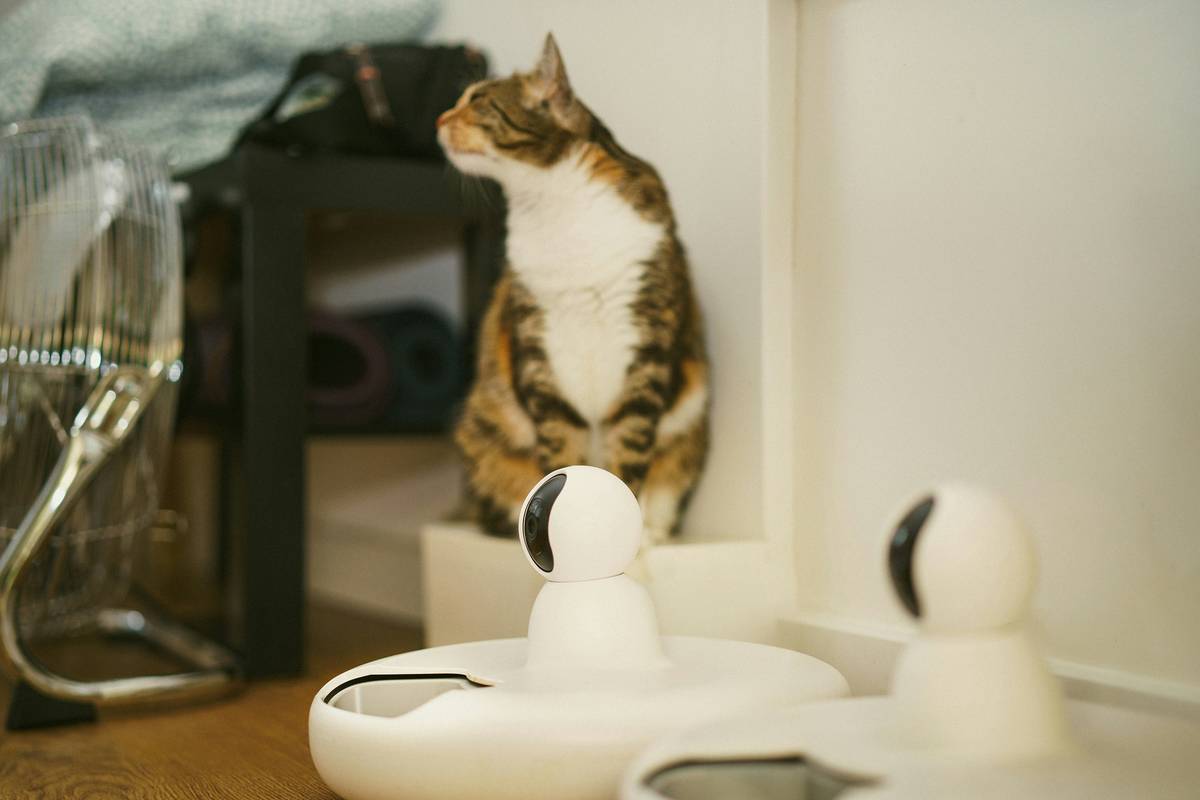
Your smart feeder stops responding when the treat-dispensing camera powers on. The automatic waterer glitches near the Bluetooth collar. You’re not paranoid—it’s a compatibility crisis most brands won’t admit exists. And it ruins your pet’s routine, safety, and joy. The fix? Intentional ecosystem design built around pet device harmony.
The Core Problem: Why “Plug-and-Play” Lies to Pet Parents
Manufacturers sell gadgets like they live in isolation. But in your home? They share Wi-Fi bands, RF channels, even power strips. One misbehaving toy can crash your entire pet tech stack.
Worse—no universal standard governs how pet devices negotiate airwaves or data. A $30 chew toy with crude firmware might flood your local network with pings, starving your GPS tracker of bandwidth when it matters most. Chaos isn’t a bug. It’s baked in.
Achieving Real pet device harmony: Step-by-Step Integration
Forget pairing apps. True compatibility starts before you unbox anything. Here’s how to audit, select, and sync your gear like a pro.
Map Your Home’s Wireless Terrain First
Use a free app like Net Analyzer (iOS/Android) to scan for congested 2.4GHz channels. Note where your router sits versus your pet’s main hangout zones. Distance + interference = dead zones for commands.
Prioritize Protocol Over Brand Loyalty
Zigbee? Bluetooth LE? Proprietary mesh? Pick one primary protocol for core devices (feeder + camera + tracker). Mixing protocols without a hub is asking for latency spikes—or total dropouts during critical moments.
Stagger Power Cycles Like a Data Center
Don’t boot all devices at once. Program staggered restarts overnight. Yes—it’s old-school sysadmin thinking. But pets don’t care about uptime—they care that their treat arrives *now*, not after three retries.
| Integration Method | Setup Time | Reliability Score (1-10) | Cost Impact |
|---|---|---|---|
| Single-brand ecosystem (e.g., only Furbo products) | 15 mins | 8 | $$$ (Vendor lock-in premium) |
| Mixed brands + Matter-over-Thread hub | 90 mins | 9.5 | $$ (One-time hub cost) |
| No central coordination (“Wild West mode”) | 0 mins | 3 | $ (But hidden frustration tax) |

The Industry Secret: Firmware Updates Often Break Compatibility
Here’s what support teams whisper off-record: a “routine” firmware push can downgrade coexistence algorithms. Why? Because marketing demanded new cloud features, and QA tested only solo—not against competing devices in a real living room.
Last quarter, a major auto-feeder update started broadcasting aggressive Wi-Fi probe requests every 8 seconds. Collateral damage? Nearby Barkio monitors began resetting hourly. The patch took 11 weeks. Your workaround: freeze firmware versions unless security-critical. Sacrilege to some engineers—but your dog’s dinner depends on it.
Frequently Asked Questions
Does pet device harmony affect non-smart toys?
Indirectly, yes. Vibrating plushies or sound-emitting balls often use cheap RF modules that bleed into 2.4GHz. Keep them away from routers or trackers.
Can I test harmony before buying?
Ask retailers for return policies covering “interoperability failure.” Some niche stores even demo setups in-store. Better yet—borrow before you buy.
Is Wi-Fi 6 worth it for pet tech?
Only if >3 devices stream HD video. Most feeders use minimal bandwidth. Save cash; optimize channel selection instead.