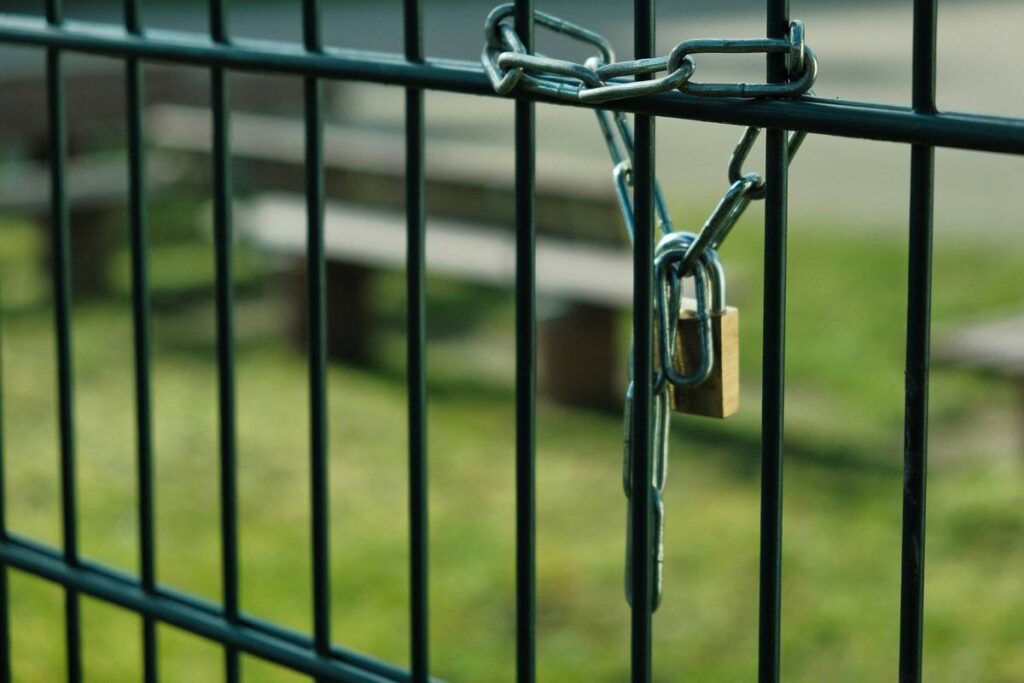
Flimsy latches. Plastic snaps that crack after one winter. That “secure” gate your clever Border Collie unlatches with her nose? Yeah—it’s happened. Millions of pet owners assume a lock is a lock. They learn the hard way when their anxious pup slips out during a storm or their food-obsessed cat raids cabinets full of meds. The truth? pet lock quality isn’t about durability alone—it’s your last line of defense against preventable disaster.
The Hidden Failure Points in Cheap Pet Locks
Most off-the-shelf pet latches fail because they’re engineered for price, not panic. Think about it: a dog with separation anxiety won’t gently tug a door—it’ll slam its whole body into it. A curious kitten won’t just paw at a cabinet; it’ll hang from the handle. And standard plastic slide bolts? They shear under torque like cheap party favors.
Worse—they’re often installed wrong. People mount them too high, too low, or on hollow-core doors that flex under pressure. The lock might survive wear—but the frame won’t. Result? A gaping exit no bolt can fix.
Choosing and Installing a Fail-Safe Pet Lock: Your Step-by-Step Protocol
Forget “baby-proof.” You need military-grade restraint scaled for paws, claws, and jaws.
Material Matters More Than Mechanism
Stainless steel or reinforced nylon? Go steel. Every time. Nylon cracks in UV light. Zinc alloys corrode near humidifiers or water bowls. And plastic—just don’t.
Placement Dictates Performance
Mount locks at least 48 inches up for dogs over 30 lbs. For cats? Double-locking systems work best—one high, one low. Never rely on a single point of failure.
Test Like a Pro—Before You Trust It
Apply 50 lbs of force with your hand. Then simulate pawing with a rubber mallet. If it budges, scrap it. Real stress isn’t polite.

| Lock Type | Material | Pet Weight Limit | Indoor/Outdoor Safe? | Average Lifespan |
|---|---|---|---|---|
| Plastic Slide Bolt | ABS Plastic | <15 lbs | No (UV degradation) | 6–12 months |
| Zinc Cabinet Catch | Die-cast Zinc | 15–40 lbs | Limited (rust-prone) | 1–2 years |
| Stainless Steel Sliding Bolt | 304 Stainless Steel | 40+ lbs | Yes | 5+ years |
| Magnetic Childproof Lock | Plastic + Magnet | <20 lbs | No (heat-sensitive) | 8–18 months |
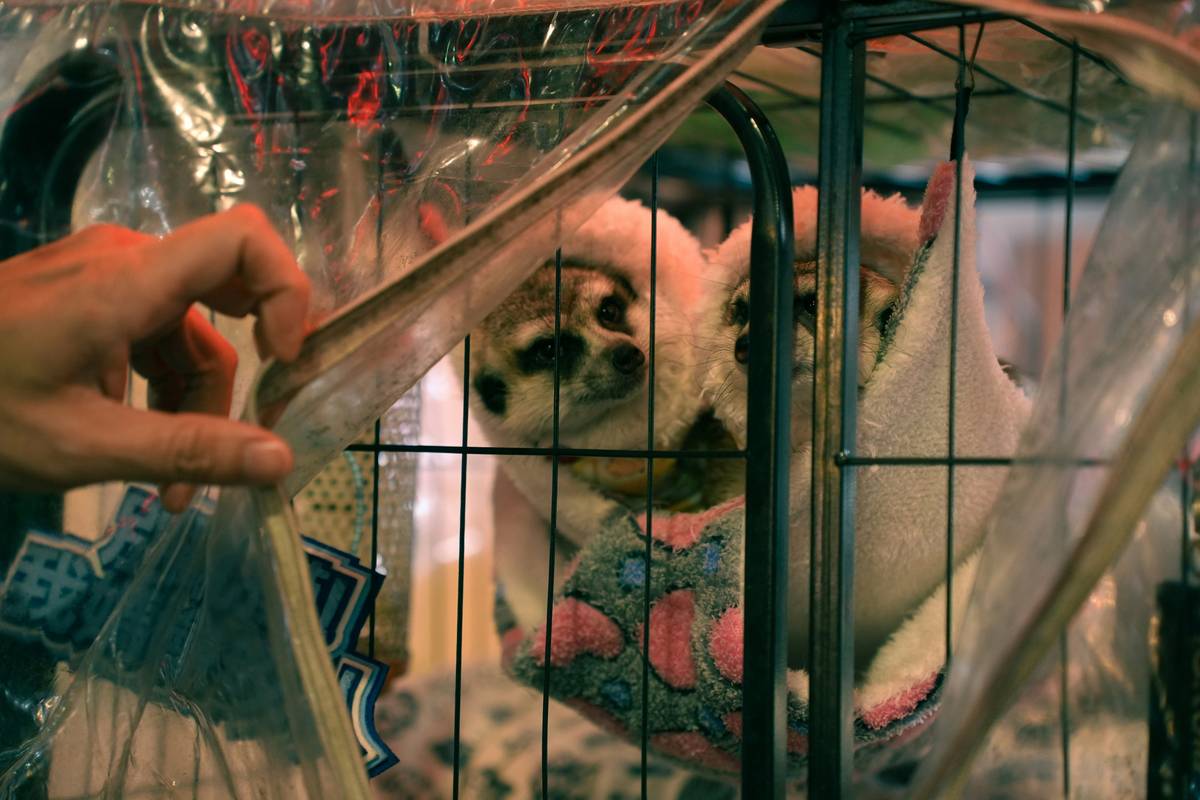
The Industry Secret: Locks Aren’t Meant to Be Used Alone
Here’s what hardware manufacturers won’t tell you: no single lock stops every escape artist. The real pro move? Layered containment. Use a surface-mounted bolt AND a recessed pin latch on high-risk doors. Why? Because animals exploit mechanical redundancy—or lack thereof. A dog might learn to push down a lever handle, but won’t figure out two independent release systems. This isn’t paranoia—it’s behavioral engineering. The math is simple: two locks = exponential drop in breach risk.
And—but this is critical—never rely solely on friction-based “child safety” locks. They work until your 70-lb Lab leans his full weight while whimpering during fireworks. Then? Gone.
Frequently Asked Questions
Does pet lock quality really affect my pet’s safety?
Absolutely. Low-quality locks crack, bend, or disengage under stress—leading to escapes, ingestion of toxins, or injury. Invest in metal components rated for your pet’s size.
Can I install a heavy-duty pet lock myself?
Yes—if you anchor into solid wood or framing studs. Avoid drywall anchors; they pull out under force. Pre-drill holes to prevent splitting.
Are magnetic locks safe for large dogs?
No. Most magnetic locks are designed for toddlers, not 60-lb canines with separation anxiety. They fail under sustained pressure or temperature swings.