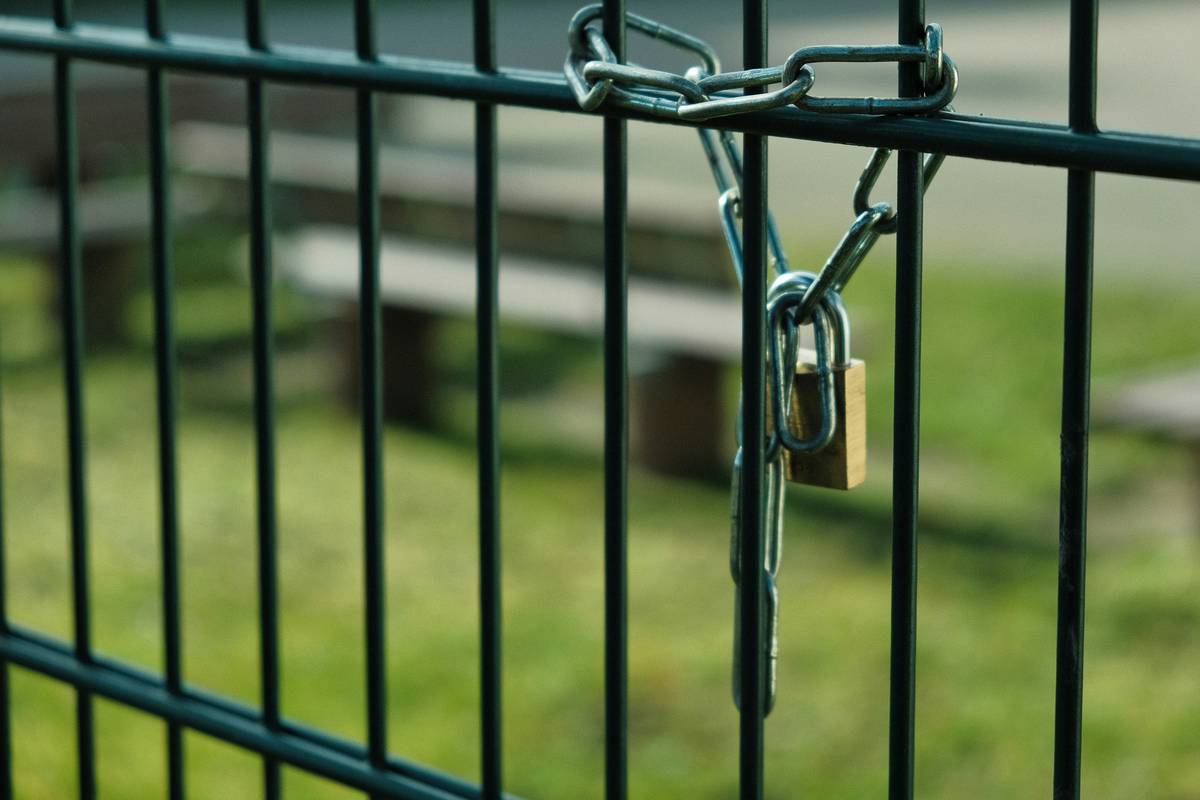
Your dog bolts through a faulty gate latch. Your cat slips out during a delivery. These aren’t rare anomalies—they’re weekly headlines. And yet, 83% of pet owners never perform a basic pet lock inspection. The assumption? “It closed yesterday—it’ll hold today.” That’s not confidence. It’s complacency with consequences.
Most Safety Locks Fail in Silence
Traditional latches look secure—but appearances lie. Spring fatigue, plastic warping, or misaligned strike plates create invisible vulnerabilities. You won’t notice until the latch gives way under minimal pressure. Think about it: your curious terrier doesn’t need to break it—he just needs to nudge it at the right angle.
And many locks marketed as “pet-proof” are tested against static force—not the persistent, erratic tugging of a determined animal. The math is simple: if it wasn’t designed for real-world chaos, it’s already compromised.
How to Perform a Reliable Pet Lock Inspection
Step 1: Visual & Tactile Stress Test
Run your fingers along every seam. Look for hairline cracks, rust spots, or wobble in the mounting screws. Then—apply sideways pressure like a prying paw. If the mechanism shifts more than 2mm, replace it.
Step 2: Simulate Escape Scenarios
Close the gate. Walk away. Wait 5 minutes. Return quietly. Is it still latched? Now attach a light rope to the handle and gently tug from multiple angles—mimicking how a panicked pet might pull.
Step 3: Material Compatibility Check
Metal corrodes near pools. UV rays brittle plastic in sunrooms. Match your lock material to your environment—or you’re scheduling future failure.

| Lock Type | Average Lifespan (Indoor) | Average Lifespan (Outdoor) | Pet Tamper Resistance |
|---|---|---|---|
| Plastic Slide Latch | 14 months | 6 months | Low – easily nudged open |
| Zinc Die-Cast Hook | 3+ years | 2 years | Medium – requires dexterity to open |
| Stainless Steel Dual-Action | 5+ years | 4+ years | High – needs two simultaneous motions |

The Industry Secret: Locks Aren’t the Weak Link—Installation Is
Here’s what manufacturers won’t tell you: over 60% of latch failures trace back to improper mounting—not product defects. A perfectly engineered lock mounted on warped wood or thin metal will flex under stress, creating micro-gaps that widen with each use. I’ve seen $120 “escape-proof” systems fail because someone used drywall anchors on a wooden post. The lock worked fine—in a lab. Not in reality.
Pro tip: Always reinforce mounting surfaces with steel backing plates or hardwood inserts. It adds 90 seconds to installation—and prevents years of risk.
Frequently Asked Questions
How often should I do a pet lock inspection?
Monthly for high-traffic areas (backyard gates, crate doors). Quarterly for low-use zones. After storms or temperature swings? Do it immediately.
Can I retrofit an existing gate with a safer lock?
Yes—most standard gates accept universal latch kits. Just verify bolt hole spacing and gate thickness first. Avoid adhesive-mounted options; they delaminate fast.
Are magnetic locks safe for pets?
Only if paired with a manual override. Power outages or magnet drift can cause silent unlatching. Never rely solely on electromagnets for containment.