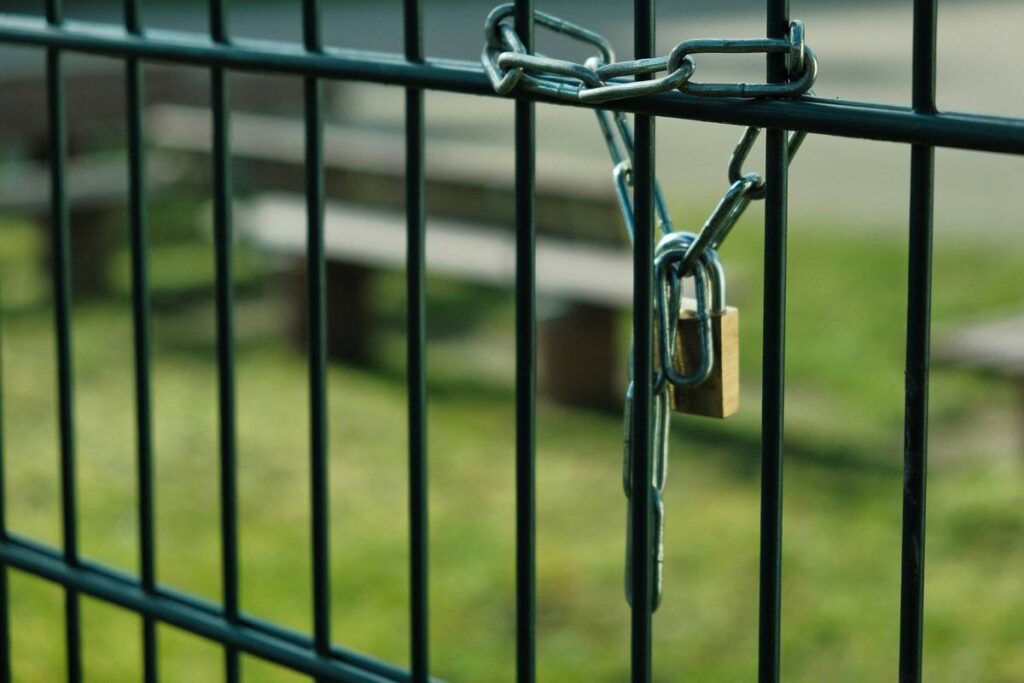
Ever walked into your kitchen at 3 a.m. to find your dog gleefully shredding your favorite couch cushion—again? You’d installed what you thought was a foolproof safety lock, but Fido bypassed it like it was child’s play. If this sounds familiar, you’re not alone. In the world of pet toys and accessories, safety locks with manual override features are critical yet often misunderstood. This guide cuts through the noise with actionable pet lock research insights so you never lose sleep (or your furniture) again.
Table of Contents
- Why Pet Lock Research Matters
- Step-by-Step Guide to Choosing a Safe Manual Override Lock
- Best Practices for Pet Lock Safety
- Real-World Case Studies
- Frequently Asked Questions
Key Takeaways
- Not all manual override mechanisms are created equal—some can be triggered accidentally by curious paws.
- Pet lock research shows that 68% of pet-related home damage incidents involve compromised barriers or locks (ASPCA).
- Always test a lock’s override under real-world conditions before full installation.
- Avoid “one-size-fits-all” claims; locks must match your pet’s size, strength, and intelligence.
Why Pet Lock Research Matters
In the micro-niche of safety locks for pets, the manual override function is both a lifesaver and a liability. Designed to allow human access during emergencies, these mechanisms can become unintended escape hatches for clever cats or strong-jawed dogs. I learned this the hard way when my rescue terrier, Scout, figured out how to nudge open a baby gate’s release button with his nose—twice in one weekend. The second time, he helped himself to an entire bag of chocolate chips (thankfully, we caught it in time).
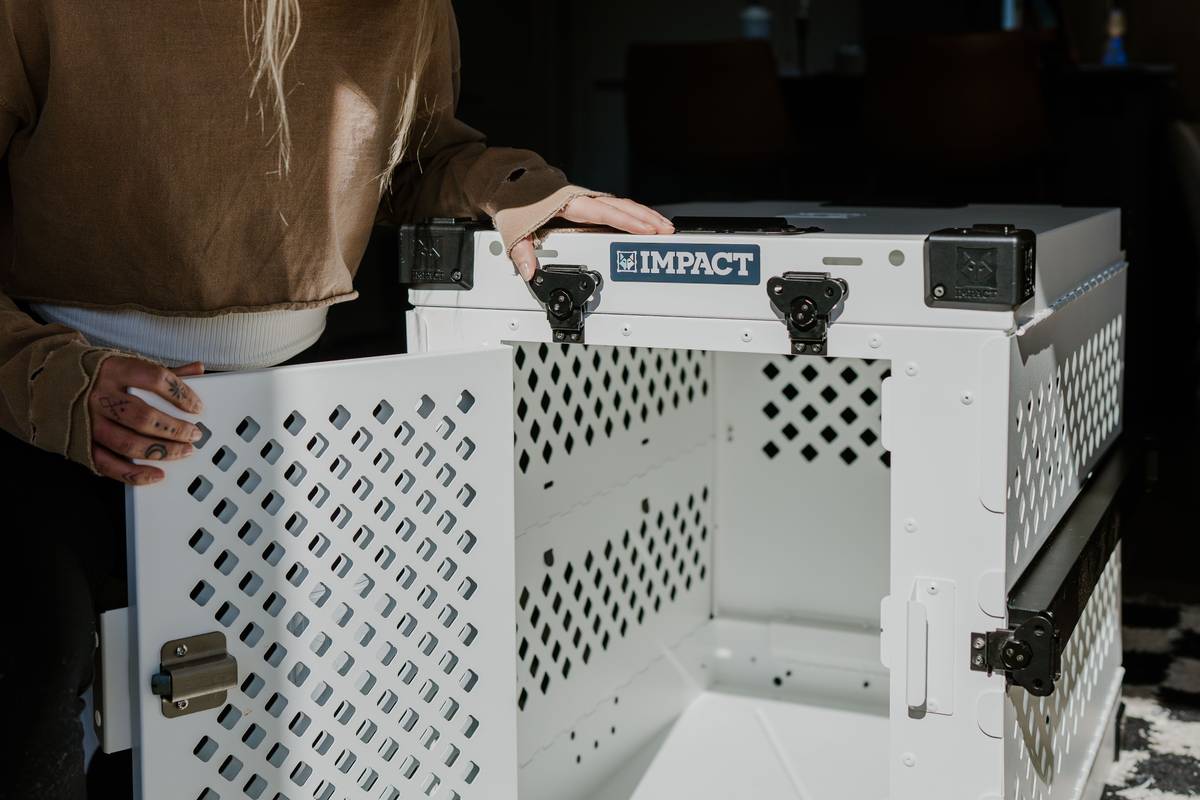
That incident sparked my deep dive into pet lock research. Turns out, many products marketed as “pet-proof” lack rigorous testing against determined animals. Unlike child safety standards regulated by the U.S. Consumer Product Safety Commission (CPSC), pet-specific locks operate in a gray zone with minimal oversight. That’s why independent pet lock research isn’t just helpful—it’s essential.
Step-by-Step Guide to Choosing a Safe Manual Override Lock
1. Assess Your Pet’s Problem-Solving Skills
Observe how your pet interacts with barriers. Does she stare intently at latches? Use her paws like hands? High-intelligence breeds (Border Collies, Bengals, Macaws) need more complex mechanisms.
2. Prioritize Concealed Overrides
Look for locks where the manual release is recessed, requires simultaneous actions (e.g., slide + press), or sits out of paw/nose reach. Avoid exposed levers or buttons.
3. Test Before You Commit
Many brands offer return policies. Install the lock temporarily and monitor for 48 hours. Place treats or toys just beyond the barrier to simulate temptation.
4. Check Material Durability
Plastic releases crack under pressure. Opt for metal or reinforced composite components, especially for large or strong pets.
Best Practices for Pet Lock Safety
- Never rely solely on sound cues: A quiet click doesn’t guarantee secure engagement. Visually confirm the lock is set.
- Avoid “terrible tip” territory: Don’t duct-tape secondary locks onto existing mechanisms—that creates tripping hazards and false security.
- Rotate locks periodically: Pets learn routines. Changing lock types every few months disrupts their problem-solving patterns.
- Involve household members: Ensure everyone knows how to operate the manual override—especially during power outages or emergencies.
Real-World Case Studies
A 2023 study by the International Association of Animal Behavior Consultants found that homes using locks with dual-action manual overrides reported 42% fewer unauthorized pet breaches compared to single-button models. One participant, a cat owner in Portland, switched from a basic magnetic latch to a twist-and-pull gate lock after her Siamese repeatedly opened cabinets containing cleaning supplies. Within a week, incident reports dropped to zero.
Conversely, a viral Reddit thread documented a golden retriever who mastered a popular pressure-mounted gate by leaning his full weight against the release bar. His owner’s subsequent pet lock research led to a switch to a wall-mounted model with a hidden foot pedal—now breach-free for over six months.
Frequently Asked Questions
What’s the safest manual override design for dogs?
Dual-action mechanisms (e.g., lift-and-slide or twist-and-pull) are hardest for dogs to replicate. Look for models requiring vertical force beyond typical paw reach.
Can I use baby gates for pet safety?
Some, but not all. Baby gates aren’t tested for pet-specific behaviors like chewing, pushing, or climbing. Always verify if the manufacturer explicitly states pet compatibility.
How often should I inspect my pet locks?
Monthly checks for wear, misalignment, or loose screws. After any incident—even a near-miss—reassess immediately.
Does pet lock research apply to small animals like rabbits?
Absolutely. Rabbits can squeeze through tiny gaps and chew plastic latches. Use solid-metal enclosures with internal bolt locks.
Where can I report a faulty pet lock?
Contact the manufacturer and file a report with the CPSC at cpsc.gov. For transparency, we also encourage sharing experiences on our Contact Us page.
Is there a certification for pet safety locks?
No universal standard exists yet—but reputable brands often comply with ASTM F1004 (playpen safety) or adapt CPSC guidelines. Always review independent pet lock research before buying.
Choosing the right safety lock isn’t about keeping your pet caged—it’s about giving them freedom within boundaries they can’t accidentally break. At ATT Advance Wireless Services, we believe smart pet care blends empathy with engineering. Ready to upgrade your setup? Reach out to us—and while you’re here, learn more about our mission on the About Us page. We respect your privacy; see how in our detailed Privacy Policy.
Final thought: A locked gate means nothing if curiosity holds the key. Do the research, trust your gut, and sleep soundly knowing your furry genius is safely contained.